
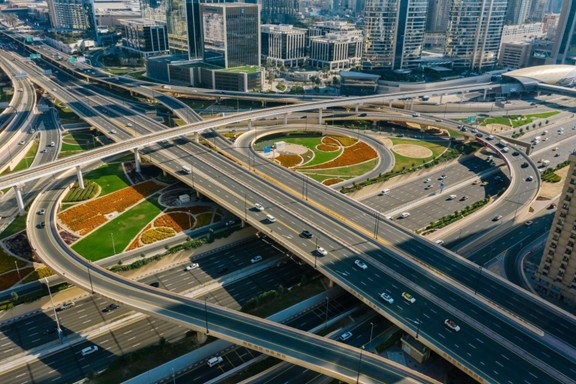
Many visitors are surprised by the strict enforcement of rules in Dubai. Driving in Dubai is great because the roads are wide, well lit and signs are in English and Arabic. When you reach your destination, there’s usually plenty of parking. Many are unprepared for the cameras that capture images of cars breaking the rules at almost every intersection. The fines are processed by the rental company first and charged to your credit card a few weeks later.
A little preparation avoids most of that. Here is what visitors need to know before they get behind the wheel.
Can you drive on your home licence?
Tourists on visit visas can drive in Dubai with a licence from a GCC country or a country on the RTA’s approved list. These include the UK, the US and much of Europe. Other tourists need an International Driving Permit along with their home country’s licence. The permit cannot be obtained in the UAE and hence should be taken care of before the visit. Driving on a licence that is not recognised can cost AED 2,000 to 10,000.
The legal driving age is 17, but most rental car companies set their minimum at 21, and often 25 for high-performance cars. You will need to show your passport, visa or entry stamp page, licence and a credit card in the driver’s name.
Speed limits and cameras
Since limits change often, pay attention to signs. Ignore any rumours of an unofficial “buffer”. In heavy fog or rain, a highway’s limit may be lowered via an electronic sign. In these situations, the electronic sign takes precedence over the fixed limit. The safest approach is to treat the posted limit as the maximum.
Speeding fines increase in increments. For going up to 20 km/h over the speed limit, the fine is AED 300. For going 61-80 km/h over the speed limit, the fine is AED 2,000, 12 black points, and the car is impounded for 30 days. The Dubai Police use AI-based traffic cameras that detect phone use, missing seat belts and tailgating.
Rules that catch visitors out
Some offences that seem minor at home carry heavy penalties here:
- Using a phone while driving: AED 800 and four black points.
- Jumping a red light: AED 1,000, 12 black points and 30 days of impoundment.
- Seat belts are mandatory for all passengers and the driver will be liable for a fine of AED 400.
- Children under four require a child seat. Children under 10 or shorter than 145 cm cannot sit in the front.
- Hazard lights should not be used when driving in fog, as this can result in a fine of AED 500.
- Sudden swerving costs AED 1,000 and four black points.
Lane discipline matters as well. The left lane is for faster traffic. If you fail to give way to a faster vehicle behind you, you are breaking the law. Never make a U-turn where a sign forbids it.
Zero tolerance for alcohol
Driving after drinking any alcohol in the UAE attracts heavy penalties which include a jail term, an AED 20,000 to 100,000 fine and a suspension of your driving licence. These penalties are to be decided by the court. If the evening involves a drink, take a taxi or book a car with the driver.
Tolls and parking
There are 10 Salik toll gates in Dubai and the rates vary by time of day. From Monday to Saturday, crossings from 6am to 10am and from 4pm to 8pm cost AED 6.30. All other crossings during these days cost AED 4.20. Salik tolls are free between 1am and 6am. On Sundays, tolls cost AED 4.20 outside of free night hours. Rental cars in Dubai come with a Salik tag and the rental company bills the crossings and sometimes charges a service fee.
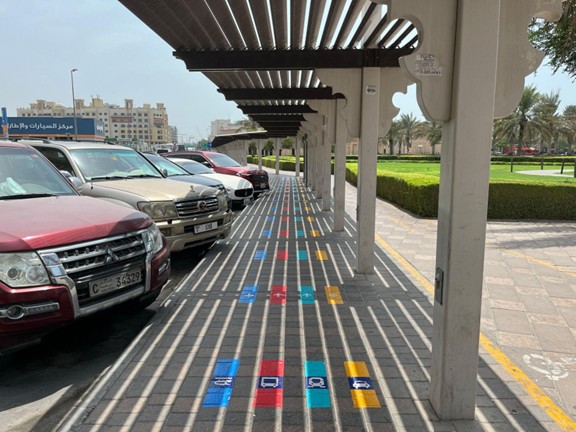
Most public parking is paid from 8am to 10pm, Monday to Saturday, and is free on Sundays and public holidays. Peak times cost AED 6.30 an hour for premium spaces. From June 2026, the meters no longer accept cash, so the RTA app, Parkin app or a nol card are the methods of payment.
Choosing the right rental
Fines and tolls follow the car, so you’ll want to read the rental agreement carefully. Find out how fines are charged to renters, whether an admin fee applies, and what is covered by the insurance provided.
For visitors who want something more memorable than a standard hatchback, there are companies that specialise in premium and exotic models. Those who want to rent luxury car here can look at Trinity Rental, which has a fleet of more than 80 cars, with 2024 models among them. Trinity car rental includes insurance and VAT in the quoted price, and charges no deposit. Each rental comes with 300 km/day free. Free delivery covers any location in Dubai, including the airport and hotels. All payments can be made in cash, via Visa or Mastercard, or in crypto. Each car arrives with a full tank.
A dedicated manager looks after each booking, and customers who wish to completely avoid driving have the option to book a car with driver, a VIP service often used for elite and prestige events. For many tourists who rent car in Dubai, knowing the main costs upfront is often as useful as the car itself.
Weekends, Ramadan and the weather
Since 2022, the UAE weekend has been Saturday and Sunday. This makes a difference with costs. Saturday is considered a regular weekday for parking and toll charges, but Sunday is cheaper. During Ramadan (expected to begin around 8 February 2027), the roads will be at their busiest an hour before sunset, because that is when people head home to break their fast, so plan extra driving time or don’t drive then.
The climate brings its own checks. In summer, check the tyres before a long drive, because worn tyres can mean an AED 500 fine, four black points and seven days of impoundment. Never leave a child in a parked car, even for a minute. In case of fog, slow down and increase your following gap to the car in front. Stopping well away from the road is good practice. Petrol stations usually have attendants, so there is no need to leave the car to fill up.
If something goes wrong
Move the vehicles off the road after a minor accident that resulted in no injuries. Report it using the Dubai Police app or call 901. You can get a fine of AED 1,000 for stopping in the middle of the road. In an emergency, call 999 for the police, 998 for an ambulance, and 997 for civil defence. The Dubai Police non-emergency number is 901.
Drive like a local, not like a tourist
Driving in Dubai rewards calm and attentive drivers. Learn the rules before you arrive. Keep the phone out of reach, and watch the speed signs. Plan your trip around peak toll hours. If you do this, renting a car is the best way to see the city, from the beaches of Jumeirah to the mountains of Hatta.


