

You have a flight tomorrow. The hotel confirmation is missing, and the visa PDF is somewhere in your email from earlier this month. Your manager adds a dinner meeting to the calendar. You pack while searching your inbox, and you leave for the airport with a feeling that you forgot something. A simple routine for bookings, paperwork, and logistics prevents these last-minute gaps.
In this article, we cover tips for business travel across trip planning, booking, documents, packing, and expenses: everything you need to have sorted before you leave.
Start With a Business Travel Plan, Not a Booking
Before opening any booking site, answer four questions:
- What is the purpose of this trip?
- Who are you meeting?
- What dates are fixed vs. flexible?
- What is the budget?
The answers shape every booking decision. A two-day client pitch may call for a hotel near the office and formal clothes. A week-long conference means proximity to the venue and a casual dress code.
Write a short business travel plan before you compare flights. Keep it three to five lines with the destination, dates, objectives, key contacts, and budget cap. Use it as a reference when plans start changing.
Check your company’s travel policy too. It may specify booking platforms, preferred airlines, hotel limits, and approval steps. Good business travel planning follows these rules from the start, which helps avoid reimbursement delays and unexpected costs.
Business travel costs are rising. The Global Business Travel Association projects global spending will reach $1.71 trillion in 2026. As company budgets tighten, set a per-trip cap during planning. Check your company’s per-diem or last quarter’s trip costs first, so the number you pick is one that finance will approve.
Business Travel Tips for Booking Flights and Hotels
Flights
- Airlines raise fares sharply as the date approaches, so book domestic flights three to four weeks ahead, and international routes six to eight.
- Choose direct flights when possible because layovers add risk of delays and lost luggage on tight schedules.
- Working on the flight? Take the window, so no one can climb over you for the aisle. Short connection instead? Aisle, so you’re not last off.
- Save your boarding pass to your phone’s wallet app or as a PDF file, so you’re covered if it doesn’t load at the gate.
Hotels
- A room ten minutes from your meeting beats a cheaper one across town. You save the morning taxi and the stress of traffic.
- Make sure the place has what you need for work, like early check-in/late checkout flexibility and a stable Wi-Fi connection.
- Travel often? Pick one hotel chain and stay with it. Points add up faster in a single program than scattered across five, and you learn what to expect each time.
- Ask for a lower floor near the elevator. On a tight morning, you’re out the door faster, without waiting on one slow lift.
How to Organize Travel Documents Before You Leave?
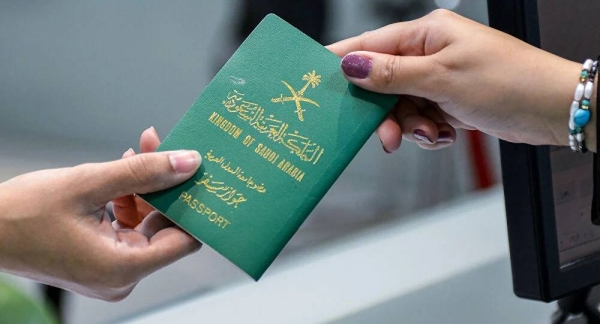
Organizing travel documents is dull work, and it’s the part that saves you at the airport when something goes wrong.
Trip Planning Tips: The Document Checklist
Start with the documents you need wherever you’re going. This core list is the same whether the trip is two days or two weeks:
- Passport, valid for at least six months for international travel
- Photo ID compliant with the REAL ID Act for airline flights (a REAL ID driver’s license, a passport, a Global Entry card, etc.)
- Travel insurance confirmation
- Flight tickets (check the name on your boarding pass matches your passport)
- Hotel reservation
- Meeting agenda and corporate ID
If you are going to another country for work, a US passport gets you into around 180 destinations without a visa in advance, though some grant it only on arrival. Check visa requirements at least four weeks before departure. Most approvals are electronic now, tied to your passport, but a border system can go down, or your phone can die, so carry a printed copy of the confirmation too. Look up your specific destination in the State Department’s travel database before you book.
Also, keep a photocopy of your passport because if it is lost or stolen while you are abroad, the embassy will accept that copy along with a separate photo ID and a passport photo as proof of U.S. citizenship.
Build a Single Travel File
Before a trip, your travel confirmations are usually spread across several places. If you need to show a document at check-in or at a border, searching through multiple inboxes can slow you down.
Download each confirmation as a PDF:
- Flight tickets
- Hotel booking
- Car rental
- Visa
- Meeting agenda
- Travel insurance
You can combine documents into one PDF and save it on Google Drive, your phone, or even in your email drafts. There are a lot of PDF editors online, like PDFAid or Smallpdf. Put the file in the order you’ll be asked for things: passport copy first, then visa, tickets, hotel, insurance, and agenda.
What to Pack: The Minimalist Business Travel Checklist
Carry-on only, whenever the trip length lets you. Checked luggage adds waiting time at the belt and a small chance your bag ends up in a different city than your meeting.
Most of the business travel tips come down to packing less and packing by purpose: one blazer that works for two meetings is better than two full outfits.
| Category | What goes in |
| Tech | Laptop, chargers, plug adapter, power bank, earbuds |
| Documents | Printed travel file, business cards, corporate card |
| Clothing | One formal outfit, one or two smart-casual, comfortable shoes |
| Extras | Earplugs, travel-size toiletries, refillable water bottle |
Roll your clothes instead of folding them; it saves space and keeps out the wrinkles.
Keep your in-flight essentials (headphones, snacks, a water bottle, and wet wipes) in an organizer bag in your carry-on luggage or put them in your backpack.
Managing Expenses and Receipts on the Road
It’s better to manage expenses while you’re still on your trip. A few habits can make it an easy task:
- Take a photo of each receipt as soon as you get it. Paper receipts fade within days and slip out of pockets, and a missing one has to be reconstructed from a card statement later.
- Record your expenses at the end of each day. Five minutes a day saves hours rebuilding a whole week once you’re back.
- Use separate cards for work and personal expenses. Mixed charges are slow to untangle and delay your reimbursement.
- Sort each expense by category as you log it: transport, accommodation, meals, client entertainment, miscellaneous. These match the fields on most reimbursement forms, so filing later is faster.
- If your company uses Concur, Expensify, or Ramp, add expenses the same day they happen.
Log your expenses on the road. That’s one of the tips for business travel that saves you a back-and-forth with a finance team.
A Process That Works for Every Trip

Business travel becomes easier when you have a trip brief template, a packing list, and know how to keep documents in one file, so you can reuse this structure every time. Before each trip, duplicate the template, update the dates and meetings, and go through your checklist.
The aim is not to remove every surprise; flights will still be delayed, and meetings will still move. The point of these tips for business travel is to handle the predictable parts like documents, bookings, and packing, so you have the energy and attention to deal with whatever changes.
Key Takeaways
- Start with a trip brief and a document checklist. Every booking that follows depends on them.
- Book three to four weeks ahead for domestic flights and six to eight for international ones, before fares climb and the good seats go.
- Put all your confirmations into one PDF travel file. Save this file on your phone and in your email. This lets you quickly find your details if plans change while traveling.
- Pack only a carry-on bag when you can. Plan your clothes for each meeting, not by day.
- Receipts you photograph and expenses you log while you are still on the trip make reimbursement faster.